
What We Do
We are dedicated to the conservation of northeast Madagascar’s unique flora and fauna. Currently, we are protecting the classified forest of Farankaraina in collaboration with two local community-based associations through patrols, restoration, ecotourism, community activities, environmental education.
We build partnerships with local communities, encouraging current and future generations as stewards of their forests.
We collaborate with local authorities, local and regional technical services mainly the Regional Direction of Environment and Sustainable Development Analanjirofo/Ambatosoa and its afiliates to strengthen local community capacity to manage sustainably the natural resources of the Farankaraina forest.
About Farankaraina
Farankaraina a community-managed forest of almost 3000 hectares in the Antongil Bay in northeast Madagascar, 15 kilometres east of Maroantsetra. Farankaraina comprises both primary and secondary forest. It is home to many types of lemurs, chameleons, and almost 100 different bird species.
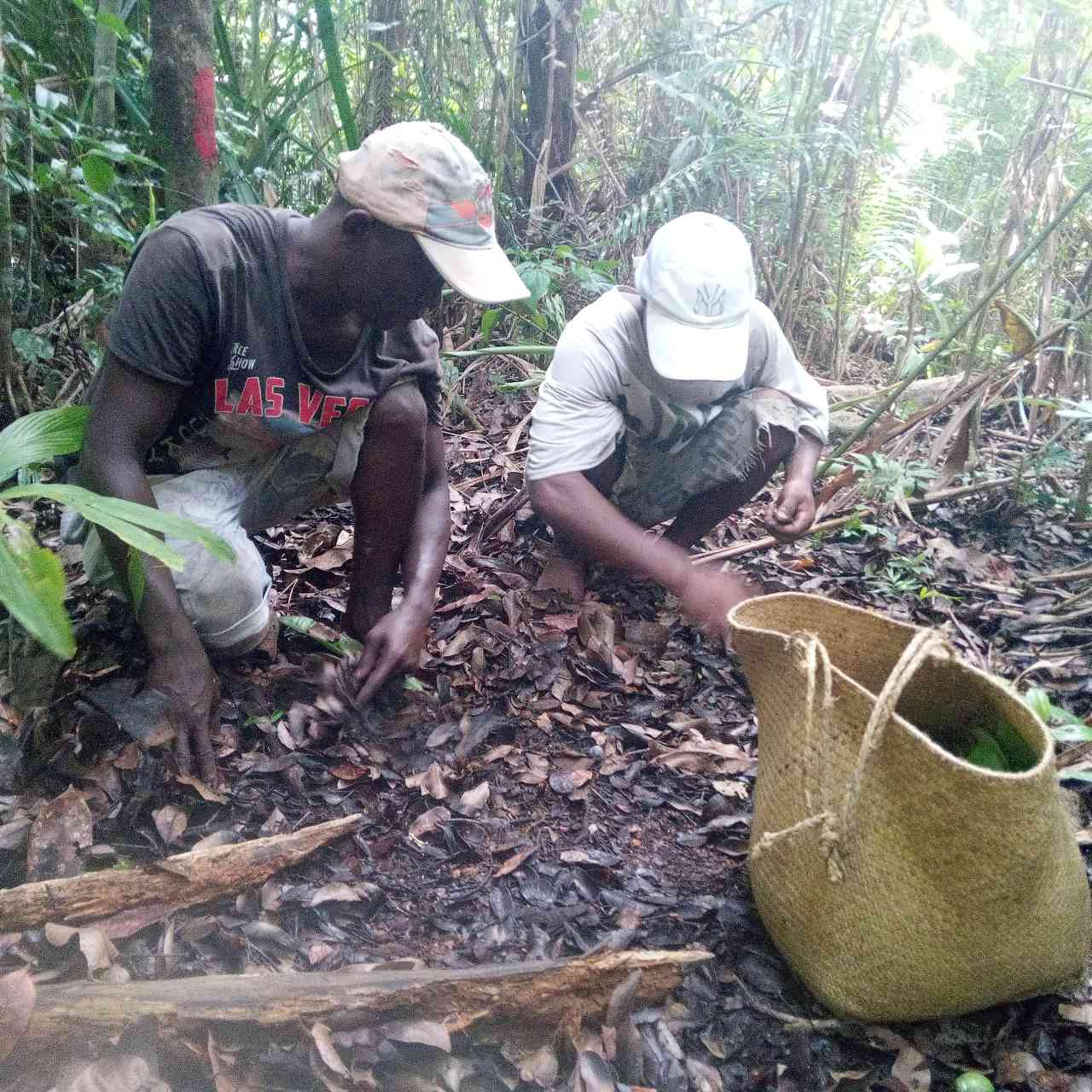
Photo left: Tree nursery establishment for next year’s forest restoration session.
Photo right: Community rangers patrolling the Farankaraina forest.
How We Protect Lemurs and Other Wildlife
To protect the Farankaraina forest, habitat of a few community of lemurs and other biodiversity, our NGO, through collaboration agreements, is working with local communities in our intervention sites including Antakotako, Andranofotsy and Anjahana communes in the Maroantsetra district. Collaboration agreements are based on the three main focuses.
Core Conservation Activities
We achieve forest control and surveillance with the following approaches:
- Forest Monitoring through Spatial Monitoring And Reporting Tool (SMART) forest patrols by our field agents and community patrollers, and law enforcement with the local forest authorities
- Restoration of degraded habitats within the forest
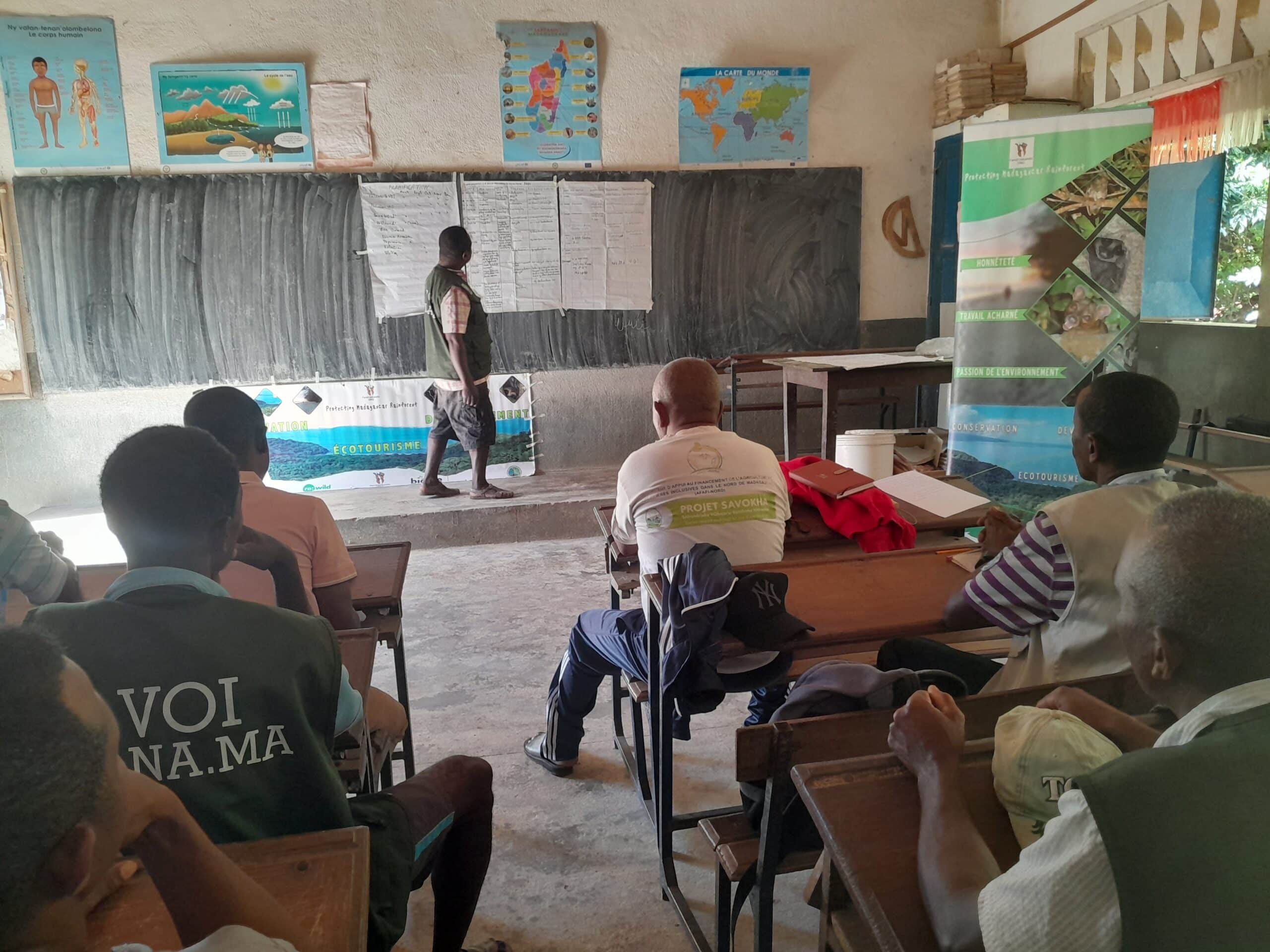
- Environmental education through village awareness campaigns and working with youth club to encourage young people to get involved in biodiversity conservation.
- Physical demarcation of the forest boundary as a classified forest dedicated to conservation by the law.
Reducing Community Dependance on Forest Resources
The main threats to the Farankaraina biodiversity come from human pressures including agriculture, poaching, loggings. We work with communities to reduce their dependency to forest resources by:
- Improving their yield production outside the forest through improved agroforestry techniques
- Helping local community with micro-infrastructures such as dams to increase their rice production
- Looking for market for their product.
Ecotourism
Ecotourism can grow the capacity of the local communities to protect the forest by themselves. The forest visit fees to Farankaraina are entirely allocated to the local communities forest conservation activities and contribution to village socio-economic development.
What Lemur Species We Protect
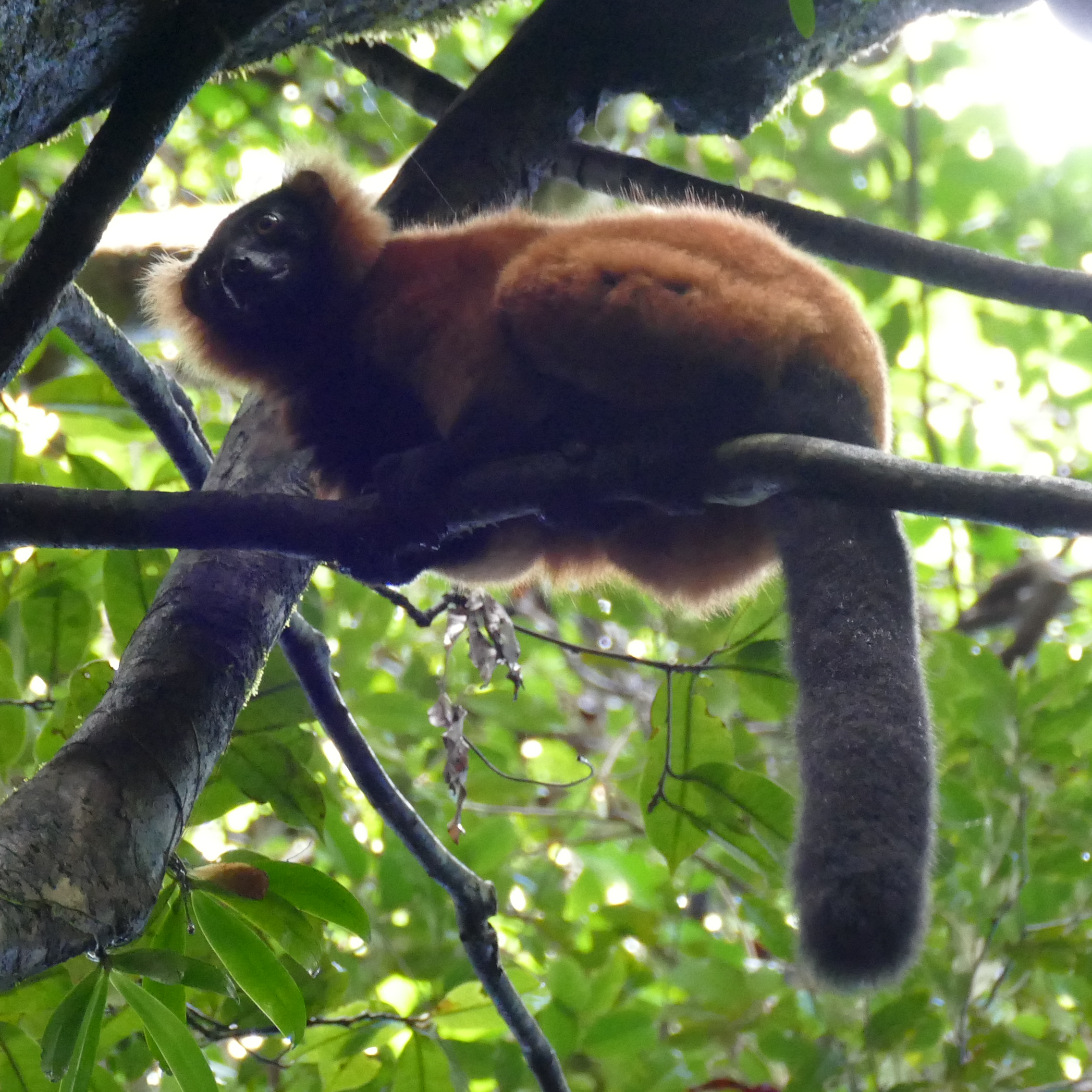
The Farankaraina forest is considered one of the sites in Madagascar to best observe the nocturnal lemur Aye-aye. Additionally, the critically endangered red ruffed lemur was reintroduced here in 2019.
The Farankaraina forest shelters at least eight species of lemurs:
- Aye-aye (Daubentonia madagascariensis)
- Red ruffed lemur (Varecia rubra)
- Scott’s sportive lemur (Lepilemur scottorum)
- White-fronted brown lemur (Eulemur albifrons)
- Northern bamboo lemur (Hapalemur occidentalis)
- Greater dwarf lemur (Cheirogaleus major)
- Woolly lemur (likely Avahi laniger)
- Mouse lemur (unknown Microcebus species)
How We Support Local Communities
One of our goals is to increase the local community’s involvement in protecting the Farankaraina forest. For that, we do the following activities:
- Provide training and improve capacity in forest resources management and biodiversity conservation for the local communities;
- Promote agroforestry outside the forest to reduce the community dependence to forest resources;
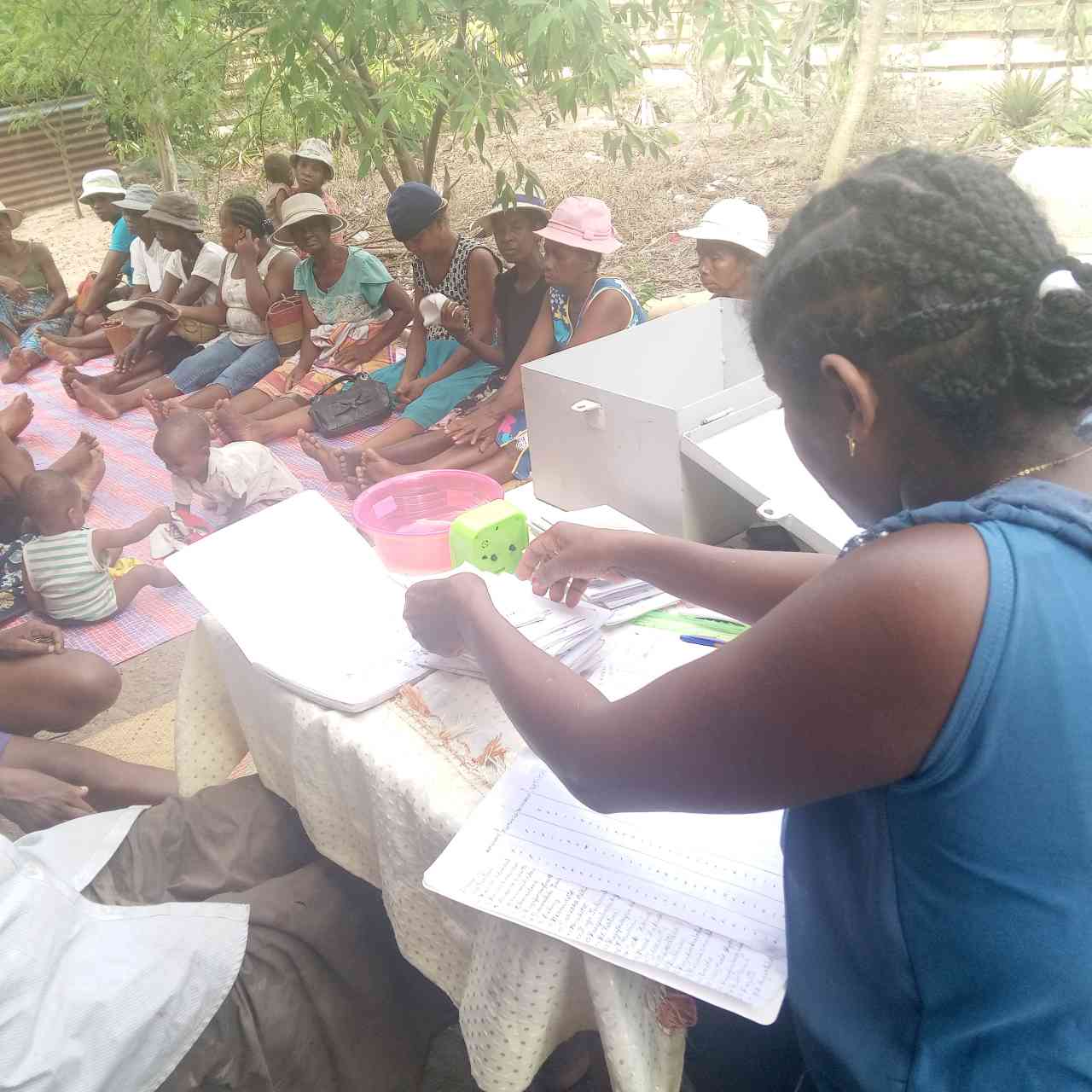
- Encourage village women in villages to organize themselves into VSLAs (Village Savings and Loans Association);
- Collaborate with a local association managing a forest lodge near the forest. This lodge provides permanent and seasonal jobs for villagers; and
- Encourage local craftswomen to collaborate with the lodge to sell their crafts to the visitors.
Learn More
- Website: https://fandroakando.ngo
- Social: Facebook
- Primary Contact: RAZAFINDRAKOTO Noromampiandra, Executive Director
- Phone: +261347992166
- Email: noromampiandra@gmail.com